Pride
The Peacock and the Crane
Saturday at the park. At the edge of the pond people gather with coffee; a runner stretches; a child tosses bread; two birds by the bank: one fans a wheel of eyes like coins, moss-dark and gleaming; beside it a narrow bird lifts one wing and tests the air. A shadow passes—another of its kind already above the trees, neat as a cutout against the pale morning. A man in a sequined jacket lingers for photos by the water; the cyclist in scuffed shoes rolls past and is gone, chain whispering.
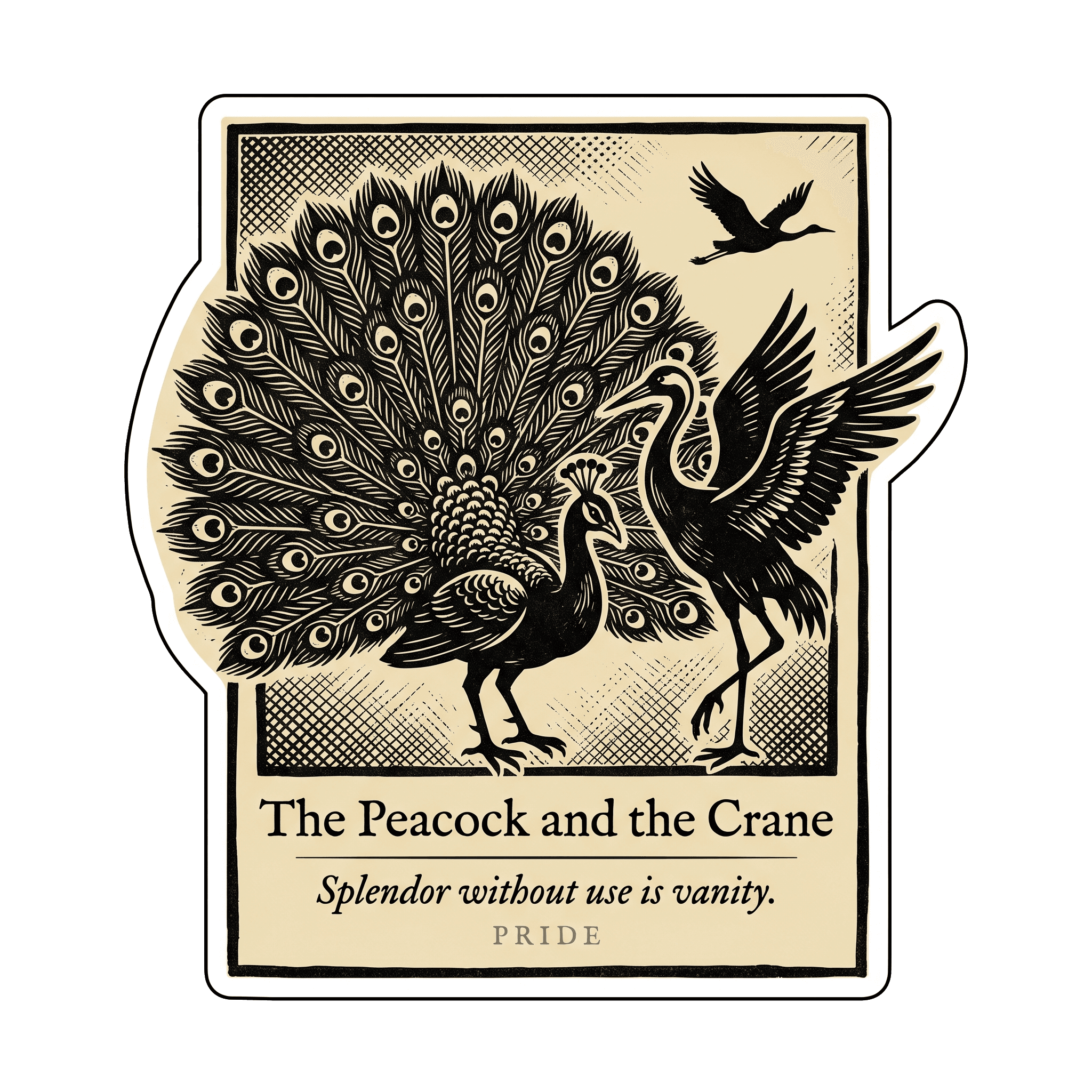
Display is heavy. The bird with the hundred eyes holds still while the spare one goes aloft. In our work the same weight gathers: a résumé thick with fonts and thin with outcomes; a dashboard animated to blindness; shoes that shine but slip on wet tile. Ornament that does not help the task is drag. Beauty that helps the task often looks plain at first, then disappears into motion.
Therefore
Choose the form that moves. Decoration that slows the flight is not worth carrying.
Hughes, 1947
On November 2, 1947, in Long Beach Harbor, Howard Hughes piloted the H‑4 Hercules, the all-wood “Spruce Goose.” Eight radial engines, a 320‑foot wingspan, acres of varnish—the largest airplane ever built. He advanced the throttles and, to quiet doubters, skimmed seventy feet above the water for about a mile, then landed. It never flew again. The war it was meant for had ended; the craft became a monument to ambition. Meanwhile the homely Douglas DC‑3, flown first in 1935, kept hauling passengers and freight into remote fields for decades. One machine dazzled. The other went places.
Related patterns
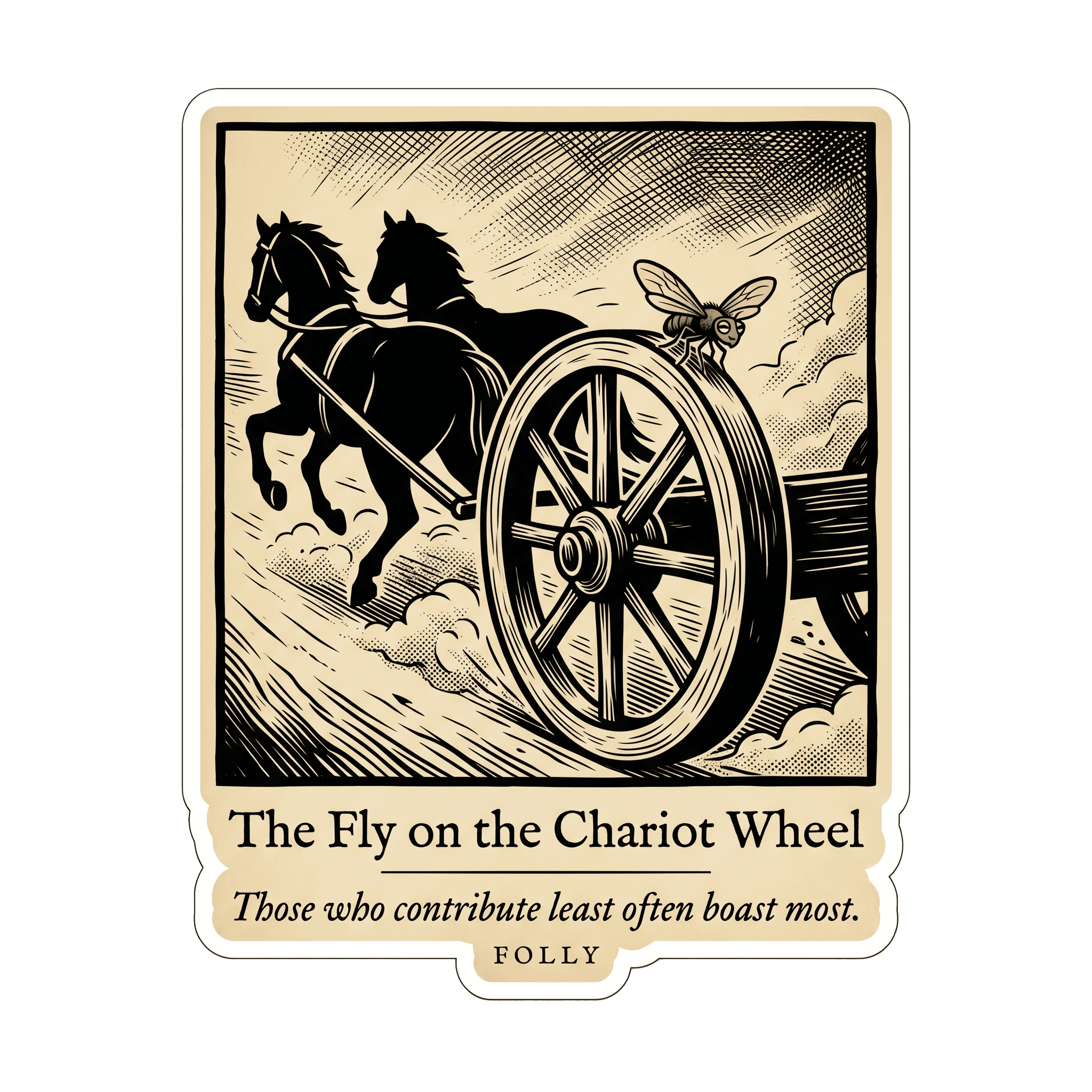
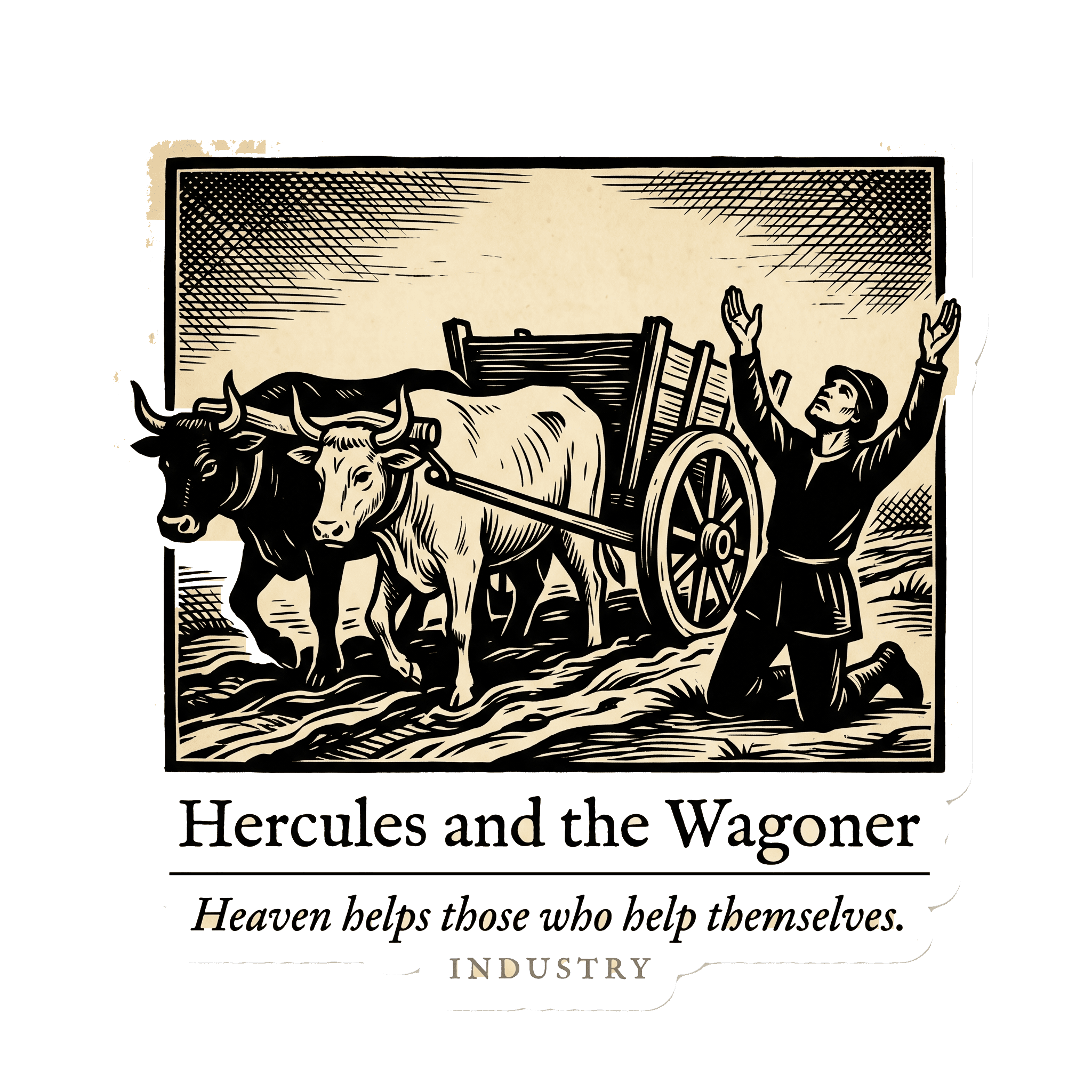
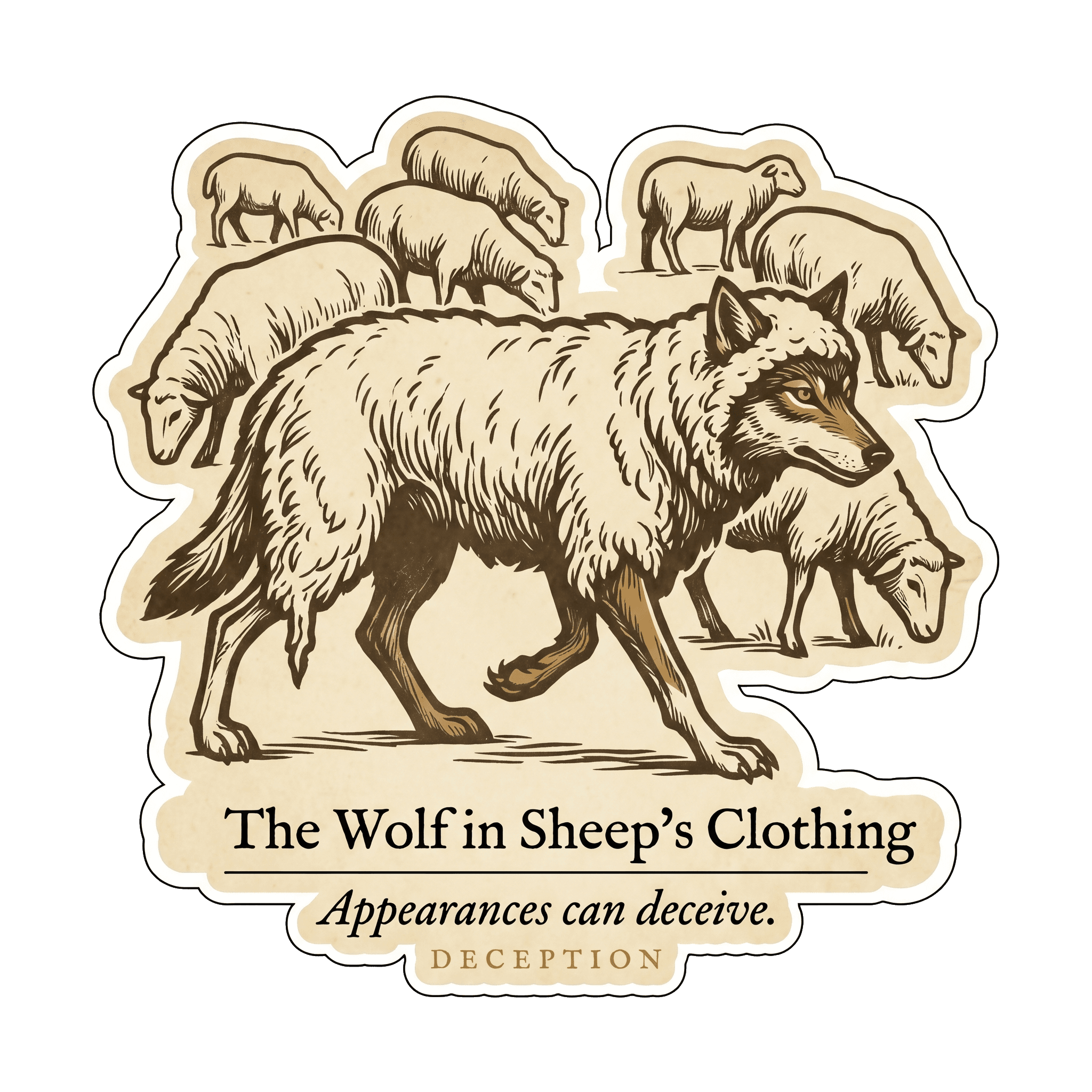
A small reminder, on a suitcase or a sketchbook, that shine without motion is ballast, and the quiet wing that works will always lift.
$3.50
2.5 inches vinyl · weatherproof · ships in 1–3 days